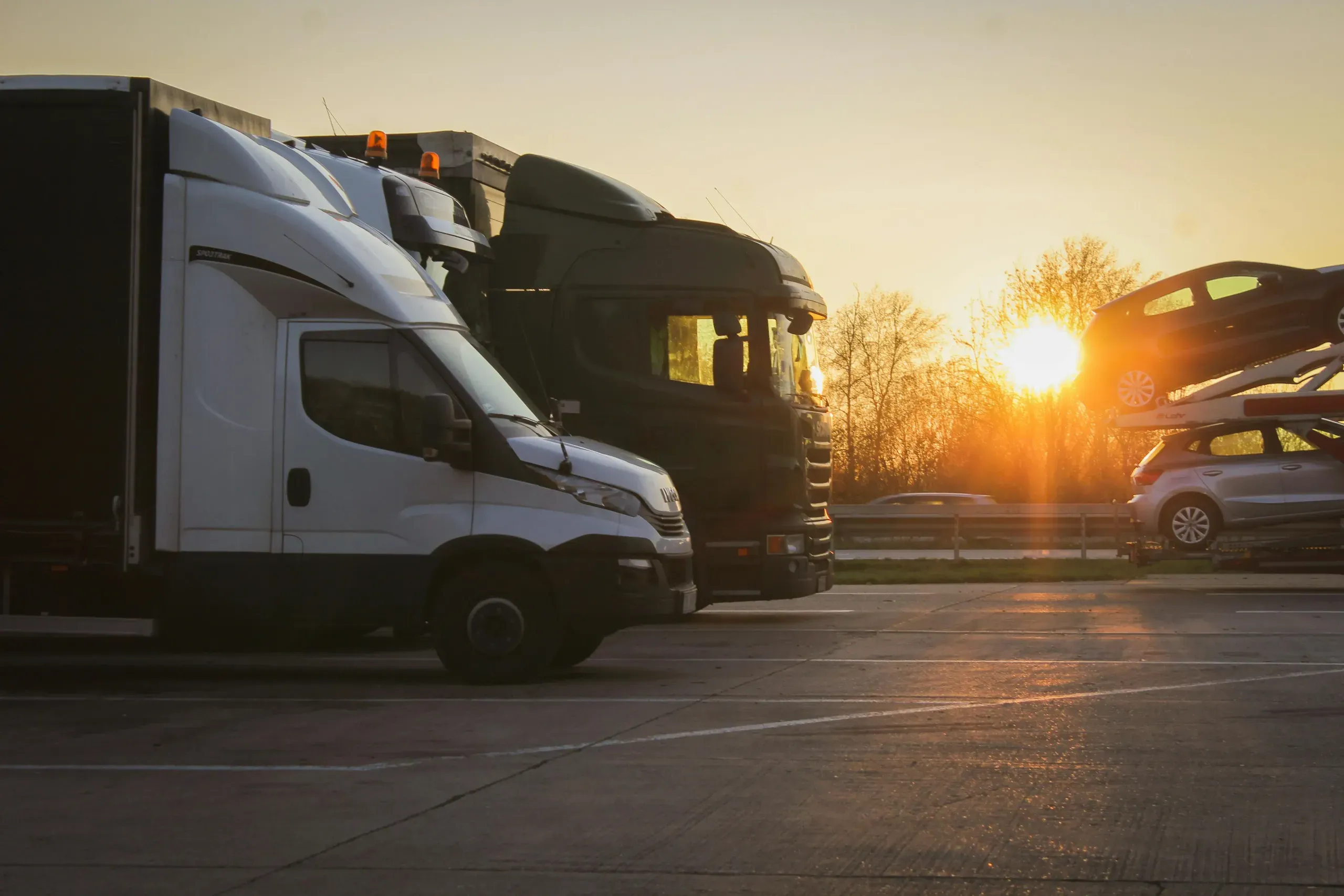
Ship Car from Maryland to New Mexico
Shipping a vehicle from Maryland to New Mexico covers roughly 1,782 miles, with carrier transit typically taking between five and seven days. This route primarily utilizes I-70 West, offering a direct path across the country for your vehicle. Whether you are relocating for work, purchasing a car out of state, or coordinating a long-distance move, understanding the logistical steps is essential. This guide explains how to manage your shipment, including cost factors, transit timelines, the booking process, carrier verification, vehicle preparation, and answers to common questions about cross-country auto transport.
- No-obligation quote within 2 minutes
- Price all-inclusive
- No charge until driver confirmed
- Distance
- 1,782 mi
- Transit time
- 5–7 days
- Open carrier from
- $1,000
How much does it cost to ship a car from Maryland to New Mexico?
For an open transport shipment from Maryland to New Mexico, you can typically expect to pay between $1,000 and $1,325, with $1,105 being a standard market rate. If you prefer enclosed transport for added protection, the cost generally ranges from $1,625 to $2,150, typically around $1,800. These figures cover the 1,782-mile journey, which usually takes five to seven days. As a referral service, Ship Car Pros connects you with vetted, independent carriers who handle the actual transport, meaning your final price is determined by the balance of supply and demand across our carrier network. There are seven specific factors-such as your vehicle's size, seasonal demand, and flexibility on pickup dates-that determine where your final quote lands within these ranges.
What factors affect car shipping cost?
Several variables influence where your final price lands within our standard range for this cross-country route. These factors reflect the logistics and resources required by independent carriers to move your vehicle safely from Maryland to New Mexico:
- Vehicle dimensions and weight: Larger trucks and SUVs occupy more trailer space and increase fuel consumption.
- Transport type: Enclosed trailers provide climate-controlled protection but cost more than standard open transport.
- Pickup and delivery flexibility: A wider scheduling window allows carriers to optimize their routes more effectively.
- Seasonal demand: High-traffic times like summer or the winter snowbird season increase competition for limited trailer space.
- Route accessibility: Remote, rural drop-off points require drivers to deviate from major interstates, adding time and fuel costs.
- Vehicle operability: Non-running cars require specialized winching equipment to load and unload safely.
Aligning these details helps us secure a carrier that fits your specific needs and budget.
Open vs. enclosed car transport: which should you choose?
Most vehicles are moved via open transport, which is the industry standard for safe, efficient shipping. Your car will ride on a multi-car trailer similar to those used to deliver new vehicles to local dealerships. Since open shipping typically runs around $1,105 for this route, it is the most practical choice for daily drivers, standard SUVs, and commuter vehicles.
Enclosed transport provides a higher level of protection by shielding your vehicle from road debris, dust, and weather conditions. With typical rates around $1,800, this option is generally reserved for high-value collector cars, luxury vehicles, or custom builds that require a pristine arrival. If your car has very low ground clearance or is a rare classic, the added security of an enclosed trailer is worth the premium. If you are shipping a standard, everyday vehicle, open transport offers the best balance of safety and value.
- Open carrier
- $1,000–$1,325
- Standard 7–10 car hauler.
- Enclosed carrier
- $1,625–$2,150
- Sealed trailer for high-value vehicles.
How long does it take to ship a car from Maryland to New Mexico?
The 1,782-mile journey from Maryland to New Mexico typically takes five to seven days for a carrier to complete. While it might seem like a long time, drivers must balance their daily mileage with mandatory rest periods, fuel stops, and the logistical time required to load and unload other vehicles along the route. A solo driver generally covers about 400 to 500 miles on a productive day, meaning your car is moving consistently rather than sitting idle. Factors like severe weather, heavy traffic, or remote drop-off locations can occasionally shift these timelines, but our dispatch team monitors these variables to ensure your vehicle arrives as efficiently as possible.
Which routes do carriers usually take?
Carriers moving vehicles from Maryland to New Mexico generally prioritize efficient interstate travel to manage the 1,782-mile distance. Your vehicle will typically head west from the Mid-Atlantic, utilizing I-70 W through the Appalachian ranges. This route serves as the primary artery for clearing the dense urban corridors of Baltimore and the surrounding regions. Once clear of the mountain passes in Western Maryland, carriers transition toward the central plains before connecting with I-40 W. This path offers the most reliable flow across the country, though carriers must carefully navigate high-altitude mountain passes and potential wind hazards in the Southwest to ensure a safe, steady transit for your vehicle.
What can delay your shipment?
While we aim for a smooth transit, certain factors can introduce variability to your delivery timeline. Winter weather is a primary concern; I-70 through the Appalachian passes and high-altitude sections in New Mexico can experience sudden icing or heavy snow, forcing carriers to slow down or wait for safer passage. Additionally, weekend pickups are less reliable, as driver activity typically peaks mid-week. If you are shipping from an auction facility, be aware that delays often arise if the gate pin, lot number, or buyer number is missing. Finally, carriers must balance your delivery with other scheduled stops, so flexibility remains your best tool for keeping the process moving.
Popular Routes
Major city-to-city routes on the Maryland → New Mexico corridor.
| From | To | Approx. distance | Transit |
|---|---|---|---|
| Baltimore, MD | Albuquerque, NM | ~1,670 mi | 5-7 days |
| Hagerstown, MD | Las Cruces, NM | ~1,690 mi | 5-7 days |
| Frederick, MD | Rio Rancho, NM | ~1,630 mi | 5-7 days |
| Gaithersburg, MD | Santa Fe, NM | ~1,590 mi | 5-7 days |
| Annapolis, MD | Roswell, NM | ~1,600 mi | 5-7 days |
| College Park, MD | Farmington, NM | ~1,700 mi | 5-7 days |
| Laurel, MD | Hobbs, NM | ~1,530 mi | 5-7 days |
| Hyattsville, MD | Clovis, NM | ~1,480 mi | 4-6 days |
| Takoma Park, MD | Carlsbad, NM | ~1,590 mi | 5-7 days |
| New Carrollton, MD | Alamogordo, NM | ~1,670 mi | 5-7 days |
How does shipping a car from Maryland to New Mexico work?
Shipping a vehicle from Maryland to New Mexico follows a straightforward three-stage process: booking, pickup, and delivery. First, we provide an all-inclusive quote based on your specific route and vehicle details. Once you confirm, we coordinate with a vetted carrier from our network to handle the transport. The driver then performs a thorough inspection at your Maryland location before securing the vehicle for its cross-country transit. Finally, the driver delivers your car directly to your New Mexico destination, where you will conduct a final inspection and pay the remaining balance.
What happens between booking and pickup?
Once you have finalized your booking, the logistics of matching your shipment to a driver begin in earnest. Here is how the transition from your confirmation to the truck’s arrival unfolds:
- Marketplace posting: Your shipment is posted to the national load board, where qualified carriers in our network review the route and move to claim it.
- Carrier assignment: A carrier accepts the job, and our dispatch team formally assigns them to your load.
- Communication: You receive a notification with the carrier’s contact details, their MC number for verification, and an updated ETA.
- Window confirmation: The driver contacts you directly to set a specific pickup window based on their current route and transit schedule.
- On-site inspection: Upon arrival, the driver performs a pre-trip inspection, walking around the vehicle with you to document its condition on the bill of lading before it is loaded onto the trailer.
What is a bill of lading (BOL)?
The bill of lading (BOL) is both a legal contract for transport and a detailed condition report for your vehicle. At pickup, the driver performs a thorough inspection-typically a 21-point checklist-to document the car’s current state, including any existing scratches or dings. You will sign this document before the car is loaded, and the driver will provide you with a copy. When the vehicle arrives in New Mexico, you must repeat this inspection. Inspect the car carefully in good light, comparing its condition against the original notes. Do not sign the final delivery BOL until you are satisfied, as your signature confirms the vehicle arrived in the expected condition.
After delivery: registration and inspection in New Mexico
Once your vehicle arrives in New Mexico, you must register it with the Motor Vehicle Division (MVD) within 30 days of establishing residency. Because of the mandatory VIN inspection, you must complete this process in person at an MVD field office or an authorized third-party location, as the vehicle must be physically present for the verification. You will need your original title, a completed Application for Vehicle Title and Registration (Form MVD10002), and proof of New Mexico insurance. If you live in Bernalillo County, you must also pass an emissions test. Be aware that missing the 30-day window can lead to steep financial penalties, reaching up to 75% of your base registration fee if you are more than a month late. For official forms and the latest fee schedules, visit mvd.newmexico.gov.
Before you can fully close out your Maryland affairs, remember that you must surrender your Maryland license plates to the MVA to officially cancel your registration and avoid insurance lapse penalties. You should only cancel your Maryland auto insurance once you have received your MVA cancellation receipt.
How do you verify a car transport company is legitimate?
Verifying the legitimacy of a transport provider is the most effective way to protect your vehicle and your peace of mind. Every authorized carrier must be registered with the Federal Motor Carrier Safety Administration (FMCSA). You can verify their status by searching their MC (Motor Carrier) or USDOT number on the official FMCSA website. A legitimate company will have an active status, current insurance coverage, and a clean safety record. If a company cannot provide these numbers or refuses to share them, do not move forward.
Beyond federal registration, look for consistent third-party feedback. Websites like Transport Reviews and the Better Business Bureau offer insight into how a company handles customer service and potential issues. A trustworthy provider will always supply a written agreement before any work begins, clearly outlining the terms of service and the total cost.
Finally, pay attention to the payment terms. Be wary of any company that demands a large upfront payment before a carrier is actually assigned to your vehicle. As a referral service, Ship Car Pros only charges a deposit once a driver is confirmed and ready to dispatch. If a provider pressures you for a deposit or full payment immediately upon booking, it is a significant red flag. Stick to companies that prioritize transparency and provide verifiable documentation.
How do I prepare my car for shipping?
Proper preparation ensures a smooth inspection process and protects your vehicle during its journey from Maryland to New Mexico. Taking a few simple steps before the driver arrives helps avoid delays and ensures your car is ready for the road.
- Clean the exterior: Wash your vehicle to make sure existing scratches or dents are clearly visible for the initial inspection.
- Photograph the condition: Take clear, dated photos of the car from all angles, including the interior, to document its pre-shipment state.
- Remove personal belongings: Clear out all loose items and remove toll tags, parking passes, or external accessories to prevent damage or loss.
- Manage your fuel: Keep the tank at approximately one-quarter full to reduce weight while ensuring the driver has enough fuel to load and unload safely.
- Secure the vehicle: Disable any alarm systems and provide the driver with a complete set of keys for the ignition and trunk.
- Note mechanical quirks: Write down instructions regarding any known leaks, battery issues, or specific handling needs for the transport crew.
Following these steps keeps the loading process efficient and gives you peace of mind while your vehicle is in transit.
Specialty shipments from Maryland to New Mexico
Beyond standard commutes, we frequently coordinate specialized shipments to meet unique logistical requirements. Whether you are managing an online purchase, moving a vehicle that won't start, or relocating an entire family fleet, our network is equipped to handle the extra steps involved. We provide tailored support for auction facility pickups, the technical demands of transporting inoperable vehicles, and the documentation needed for multi-vehicle bundles, ensuring each specific scenario is managed with the necessary precision and care.
How do you ship a car bought at Copart or IAA auction?
Picking up a vehicle from an auction facility like Copart or IAA requires more coordination than a standard residential pickup. These facilities operate on strict schedules and require specific documentation to release a vehicle. To ensure the process goes smoothly, you must provide your assigned carrier with the lot number, the gate pin, and your buyer number. Additionally, the auction house must have confirmed your payment in full; if the gate office has not updated the vehicle's status to "ready for pickup," the driver will be turned away.
Because these sites require appointments and have specific loading protocols, auction pickups often take one to three days longer to arrange than residential shipments. Our team works to synchronize the carrier’s arrival with the facility's release hours, but keep in mind that facility-specific delays are common. Having your documentation ready immediately upon booking is the best way to prevent unnecessary hold-ups.
How do you ship an inoperable car?
Shipping an inoperable vehicle requires more than a standard trailer. Because the car cannot drive itself under its own power, the carrier must use a winch to pull it onto the ramp. For this to be possible, the vehicle must still be able to roll, steer, and brake effectively. If the car has a locked transmission or a seized wheel, the driver may not be able to load it safely, if at all. Because this process requires specialized equipment and additional time for the driver, it adds a surcharge to your standard shipping rate. Always inform us of the vehicle's condition upfront so we can dispatch a carrier equipped for the job.
How do you ship multiple cars at once?
Shipping multiple vehicles on a single route is an efficient way to manage a family move, dealer transfer, or fleet relocation. When you bundle more than one vehicle, you often qualify for a reduced per-vehicle rate compared to booking each car as an individual shipment. Because you are occupying more space on a single trailer, carriers can optimize their route and loading time, which creates cost-saving opportunities. In most cases, we can coordinate with a single carrier to transport your entire group together, ensuring all vehicles arrive at your New Mexico destination on the same timeline. Just be sure to provide the specific details for every vehicle during your initial request.
Is it cheaper to ship a car or drive it from Maryland to New Mexico?
Deciding between shipping your car and driving it yourself involves comparing direct costs and the personal toll of a long-distance move. The 1,782-mile trip from Maryland to New Mexico requires over 26 hours of pure driving time, which, when accounting for rest and safety, typically spans three days on the road.
If you choose to ship your vehicle, the market rate for open transport is approximately $1,105. This covers the entire transit without you needing to manage the logistics of the road.
Conversely, driving the vehicle yourself incurs significant expenses. Using the 2024 AAA "Your Driving Costs" figure of $0.70 per mile, the fuel, maintenance, and depreciation costs for this distance total roughly $1,247. When you add two nights of hotel stays at an average of $120 each, your total out-of-pocket cost for the journey reaches approximately $1,487.
Beyond the math, consider the opportunity cost. Driving requires several days of your time, potential leave from work, and the physical fatigue of navigating cross-country. Shipping allows you to travel by air and arrive at your destination refreshed. Whether you prefer the control of the driver's seat or the convenience of a professional carrier, comparing these figures provides a clear view of the investment required for each option.
| Ship it | Drive it | |
|---|---|---|
| Total cost | $1,000–$1,325 all-in | ~$1,727 (fuel + lodging + meals) |
| Your time | 0 hours | ~30 hrs driving + overnight |
| Wear & tear | None | 1,782 mi added; ~$0.10/mi depreciation |
| Risk | Insured in transit | Personal liability + fatigue |
For most Maryland → New Mexico shipments, ship is the better value once time and depreciation are counted.
Frequently asked questions
How much does it cost to ship a car from Maryland to New Mexico?
For an open transport shipment on this route, you can typically expect to pay between $1,000 and $1,325, with $1,105 being a standard market rate. If you choose enclosed transport for added protection, the cost generally ranges from $1,625 to $2,150, typically around $1,800. These figures are all-inclusive, covering fuel, tolls, and driver fees for the 1,782-mile journey, though your final price will vary based on vehicle size, seasonal demand, and scheduling flexibility.
How long does it typically take for a car to be transported from Maryland to New Mexico?
The 1,782-mile transit from Maryland to New Mexico typically takes between five and seven days to complete. While your vehicle is on the road, the driver must adhere to federal hours-of-service regulations, which limit daily driving distances to ensure safety. Factors such as severe weather, traffic patterns, and the specific pickup or delivery locations can influence the exact timeline, but most shipments remain within this one-week window.
What is the primary difference between open and enclosed transport for this route?
The primary difference between these methods is the level of protection provided to your vehicle during transit. Open transport is the industry standard where your car rides on an exposed trailer, while enclosed transport utilizes a fully covered trailer to shield your vehicle from weather, dust, and road debris. Open transport is more affordable and widely available, whereas enclosed transport is a premium service typically reserved for high-value, luxury, or classic cars.
When exactly do I pay for my car shipment?
Payment is split into two parts: a deposit and a final balance. Once a carrier is officially assigned to your shipment, a deposit is charged to your card to confirm the booking. The remaining balance for the transport is paid directly to the driver at the time of delivery. This final payment is typically made using cash, a certified check, a money order, or through digital services like Zelle or Venmo.
Does my car have insurance coverage while it is being transported?
Yes, your vehicle is covered by the carrier's cargo insurance policy for the entire duration of the transit. Every legitimate transport carrier is required to maintain this coverage, which protects your vehicle against damage while it is on the trailer. Coverage amounts typically range from $50,000 to $250,000 for open trailers and up to $1,000,000 for enclosed transport, ensuring your asset is protected from bumper to bumper during its journey.
Can I choose a specific day and time for my vehicle to be picked up in Maryland?
You cannot guarantee an exact date or time for pickup, as carrier schedules are subject to traffic, weather, and routing changes. Instead, you will coordinate a pickup window with your driver, which is typically a one-to-three-day range. Providing a wider, more flexible window of four to seven days can often make your shipment more attractive to carriers and may result in a lower rate for your route.
What is the purpose of the bill of lading during the pickup and delivery process?
The bill of lading serves as both your formal transport contract and a comprehensive condition report for your vehicle. At pickup, the driver documents the car's state-including existing scratches or dents-and you sign to verify this report. You repeat this inspection upon delivery in New Mexico. Comparing these two documents side-by-side acts as your primary proof of the vehicle's condition, protecting you and the carrier throughout the shipping process.
Why should I avoid booking with multiple transport brokers at the same time?
Booking with multiple brokers at once often triggers a bidding war that drives up your final cost. When multiple companies post your vehicle to the same national load board, carriers see the same shipment listed repeatedly and may assume the price is unstable or inflated. This confusion often causes carriers to pass over your load, leading to significant delays and potential requests for higher payment to secure a driver.